
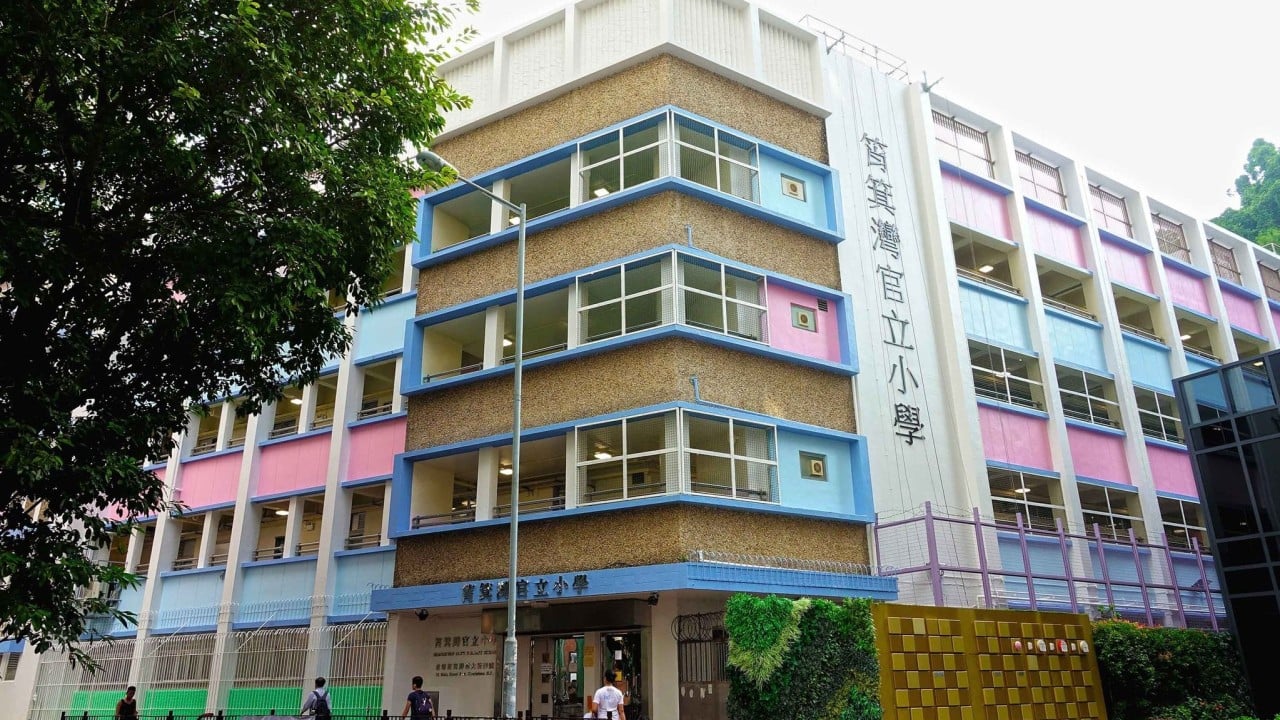
Hong Kong’s education minister Christine Choi Yuk-lin announced the shuttering or merging of 15 public primary schools this fall, citing a student population decline so severe that 16 students per school now triggers closure. The move, she claimed, “saves parents from future instability,” but the real casualty is the myth of educational equity. By 2026, Hong Kong’s public school system has already lost 4,000 Primary One enrollments compared to 2023—a 12% drop in four years. Choi’s “sustainable development” rhetoric ignores that these closures disproportionately impact low-income areas like Sham Shui Po, where 10 out of 15 failing schools are located.
The crisis is not unique. Japan’s 1990s school closures, triggered by a 20% birth-rate plunge since 1974, revealed similar demographic fault lines. But Hong Kong’s approach is more brutal. Unlike U.S. efforts to revitalize struggling schools—such as the GAO’s 2026 report urging “targeted academic support” for underperforming institutions—Choi frames closure as “inevitable.” The contrast is stark: American policymakers fight to preserve educational access, while Hong Kong’s system dismantles it.
Cross-source synthesis deepens the tension. Free Beacon’s revelation that Qatar pressures American universities in Doha to align with regime narratives shows foreign actors weaponizing education as a political asset. Meanwhile, GAO highlights U.S. schools in dire need of “comprehensive support,” yet Hong Kong’s response is to sever safety nets. Neither of these contexts directly informs Hong Kong’s closures, but collectively they reveal a global bifurcation: Education systems in declining regions like Hong Kong contract ruthlessly, while those in growth-sustaining economies (the U.S.) stretch resources thin.
Choi’s strategy prioritizes fiscal efficiency over educational justice. Parents assured of new school placements miss a broader story: Hong Kong’s education budget—$7.6 billion in 2024—grew by just 1.3% last year, while per-pupil costs soared by 4.8%. This perversity mirrors Qatar’s education playbook, where universities trade academic freedom for cash. In Doha, NU-Q deans suppress criticism of Hamas to satisfy Qatari donors; in Hong Kong, authorities ax schools to satisfy fiscal austerity. Both systems reduce education to a transaction.
Coverage is missing the long-term economic toll of this pruning. What labor shortages will arise in a decade if today’s merged schools lack STEM programs? How will Hong Kong retain global talent if its education system appears to abandon local innovation? The affected schools also include the government leader’s alma mater, raising questions about nepotistic exemptions.
Choi’s “soft-landing” measures may delay disaster, but they fail to address the root cause: Hong Kong’s fertility rate of 0.76 (2025)—the world’s lowest. A 2024 UN report noted that economies with sub-replacement rates risk “intergenerational decline if policy adapts too slowly.” The education minister’s three-year window for survival plans is an illusion; the crisis will outpace the timeline.