
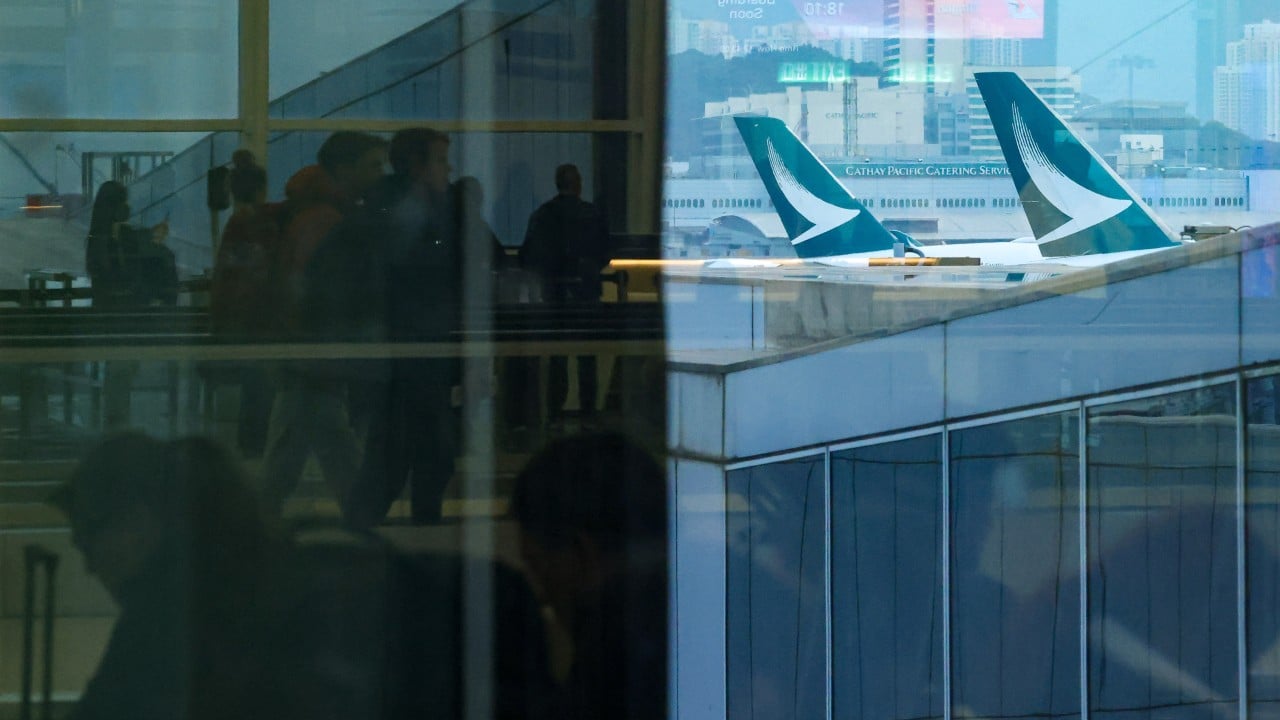
Cathay Pacific has extended its suspension of Hong Kong-Middle East flights until April 30, a decision rooted in the fallout from the February 28 U.S.-Israeli attack on Iran that killed Supreme Leader Khamenei and triggered Iran’s retaliatory strikes. The airline, which operates routes to Dubai and Riyadh, now faces its fourth extension since the conflict began, reflecting a region teetering into protracted violence.
This suspension is more than an operational inconvenience—it’s a symptom of a war reshaping global supply chains and human lives. Bellingcat’s analysis reveals the scale: Tomahawk missiles, Israeli SPICE-1000 bombs, and Iranian Shahed drones have turned the Middle East into a war of attrition, with civilian infrastructure in UAE, Bahrain, and Iraq collapsing. The UN World Food Programme warns this conflict could push 45 million into acute hunger, the worst humanitarian catastrophe since the pandemic. Cathay’s decision captures the interdependence of geopolitics and commerce.
Sources like Bloomberg focus on macroeconomic spillovers, noting that Invesco’s David Chao expects oil prices to remain elevated for “four to five months” unless the conflict subsides. This contrasts with UN News, which highlights the forgotten victims: displaced families in Yemen and Jordan, where health systems have buckled under repeated drone attacks. The Kyiv Independent’s revelation that 201 Ukrainians are now deployed in the Middle East to counter Iranian drones adds a transnational dimension, underscoring how conflicts absorb resources globally.
Critically absent from most coverage is Cathay’s own fiscal vulnerability. While the airline cites safety and route feasibility, its 2024 annual report noted Middle East routes accounted for 18% of its pre-COVID revenue. Prolonged cancellations risk a cash crunch at a time when the company is still recovering from the pandemic.
This crisis reveals a failure of diplomacy. The February 28 strikes, which SCMP and Bellingcat both frame as the war’s tipping point, suggest both sides prioritized strategic escalation over de-escalation. The U.S. and Israel’s use of LUCAS drones, derived from Iranian Shaheds, exemplifies a grotesque feedback loop where innovation fuels violence. Cathay’s passengers—business executives, tourists, migrant laborers—are the collateral damage of a war without clear boundaries.
The war’s trajectory hinges on three dates: April 15 (next U.S.-OPEC+ oil talks), May 1 (Iran’s potential retaliation timeline per regime statements), and June 30 (the U.N. Security Council’s deadline to revive a stalled ceasefire deal). Until then, airlines remain the vanguard of a destabilized region.