
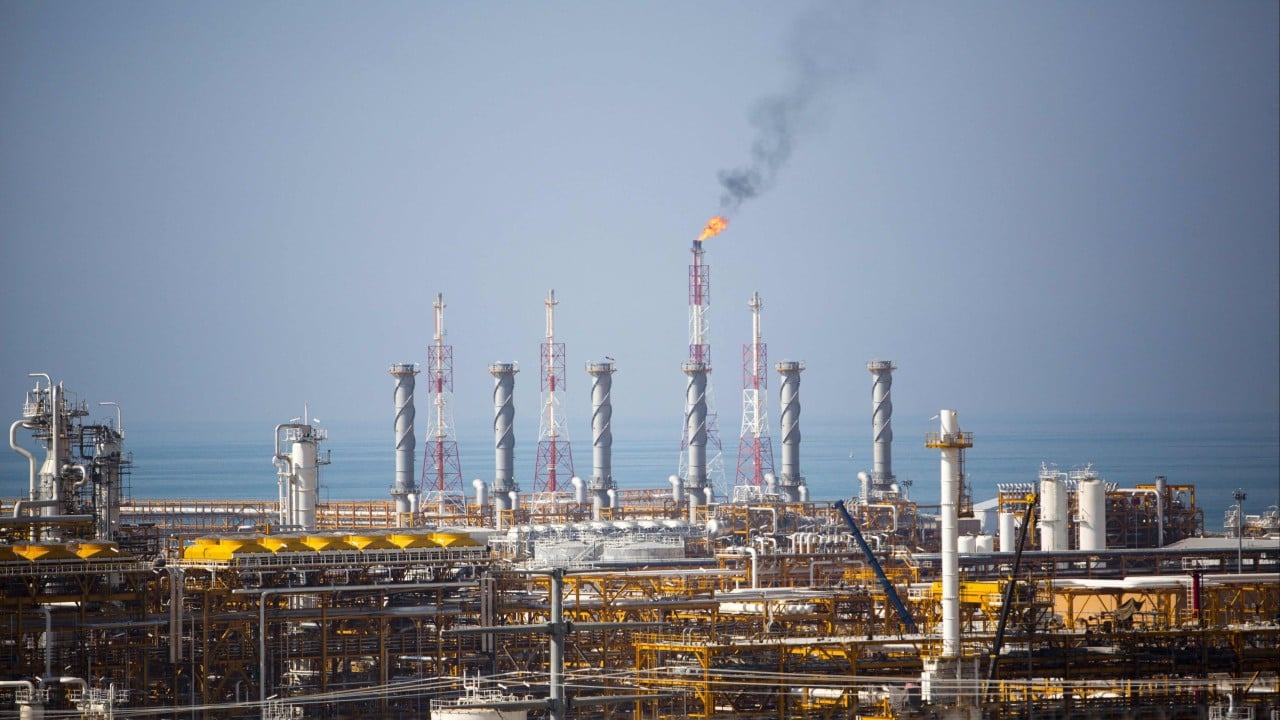
The UAE has never been a vocal critic of Israeli actions, but its March 18 condemnation of Israel’s strike on Iran’s South Pars gasfield—calling it a “dangerous escalation”—marks an abrupt shift. The UAE Ministry of Foreign Affairs accused Israel of directly threatening global energy security, a charge echoed by Qatar’s foreign ministry, which labeled the attack “irresponsible.” Meanwhile, Iran warned it would retaliate against energy assets in Gulf Arab states, naming specific facilities in Saudi Arabia, the UAE, and Qatar, as Al Jazeera reported. This cycle of retaliation—rooted in a war that began on February 28—exposes the fragility of regional alliances and the existential stakes for energy-dependent economies.
The South Pars field, Iran’s lifeline, supplies 70% of its domestic gas and fuels half its electricity grid, according to the Financial Times. The March 18 strike, reportedly carried out by Israel’s air force, damaged key infrastructure, though no immediate casualties were recorded. Iranian state media confirmed the attack, while the IDF claimed the strike killed intelligence minister Esmaeil Khatib, a key architect of Iran’s terrorist operations, as Free Beacon detailed. Khatib’s death, one of Israel’s most high-profile assassinations, signals a war with no off-ramp, where tactical victories quickly become pyrrhic.
Sources diverge on intent. Middle East Eye and Al Jazeera focus on the energy security implications, while The Canary frames the strike as an Israeli plot to weaponize global energy markets to provoke a U.S. ground invasion of Iran. Free Beacon, meanwhile, downplays the economic fallout, emphasizing Israel’s elimination of Iran’s leadership. This divergence shows how ideological lenses distort the same events.
The strike’s true danger lies beyond immediate retaliation. By targeting South Pars, Israel has invited Iran to treat Gulf energy infrastructure as a proxy battlefield. Qatar’s Foreign Minister has already linked South Pars to Qatar’s North Field, implying shared stakes in the region’s hydrocarbon networks. If Iran’s retaliation hits UAE or Saudi facilities, it could trigger cascading disruptions in supply chains that the IMF reported are already strained by geopolitical tensions.
The missing context is the human toll. No outlet in this coverage interviewed workers at South Pars, whose livelihoods—and the 22,000 households reliant on the gasfield—will be devastated by prolonged instability. Nor do sources quantify the field’s production loss, though its 1.4 trillion cubic meters of annual output (per BP’s 2023 data) would ripple through global markets if disrupted for months.
The clock ticks toward March 21, when Saudi Arabia hosts a meeting of Arab and Muslim foreign ministers. If Gulf states cannot mediate de-escalation, the next phase of the war will prioritize energy assets as leverage. Meanwhile, Israeli Defense Minister Israel Katz’s new policy allowing instant strikes against Iranian officials without approval suggests volatility will persist.