
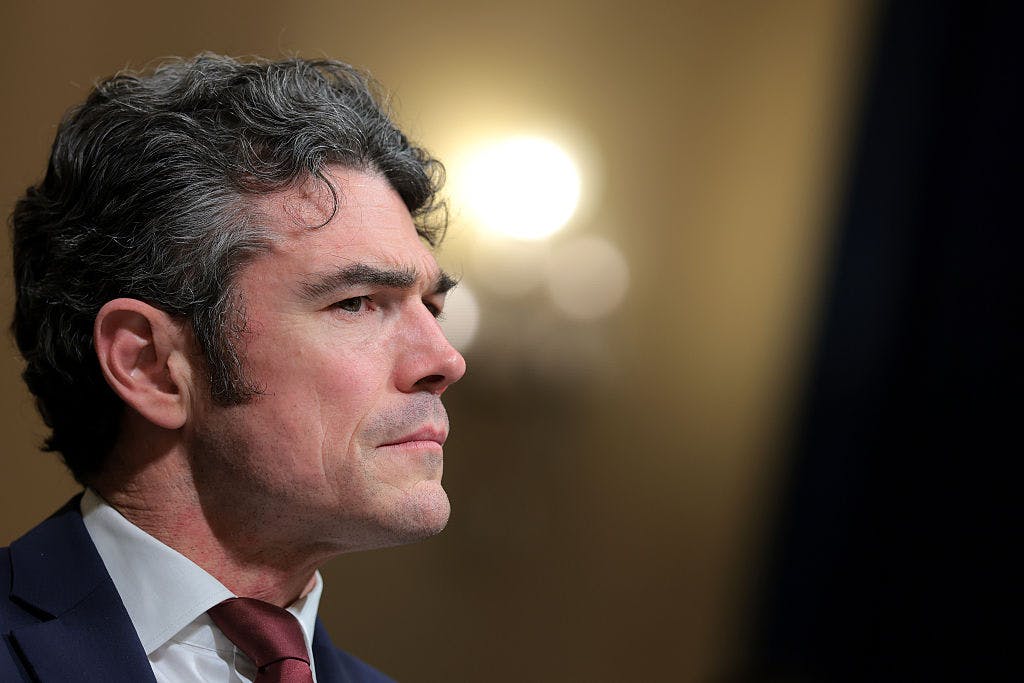
Joe Kent’s abrupt resignation as director of the National Counterterrorism Center on March 17, 2026, was not a mere bureaucratic shuffle. The intelligence official’s claim that he was deliberately excluded from Iran war planning—a revelation confirmed by a source in the Daily Wire—exposed a systemic rift within the Trump administration over the justification for military action. Kent, a 12-time combat veteran and husband to a Navy cryptologist killed by ISIS, argued in his resignation letter that the war “served no benefit to the American people” and was driven by “pressure from Israel and its powerful American lobby.” His exit, the first of a senior Trump official over the war, underscores how the administration’s foreign policy is becoming a lightning rod for internal dissent.
The broader context is a U.S. political landscape polarized by the war, with Trump’s MAGA coalition splitting into factions. Right-wing populist isolarians like Kent and Tucker Carlson increasingly reject interventionism, while neoconservative hawks such as Mike Johnson and Lindsey Graham double down, framing Iran as an existential threat. Kent’s accusation that Israel “deceived” Trump over Iran mirrors his 2003 critique of the Iraq invasion, revealing a pattern of blaming external allies for U.S. military entanglements. Mother Jones highlights how this narrative directly contradicts Secretary of State Marco Rubio, who publicly tied U.S. involvement in the war to Israeli actions.
Sources differ on the administration’s internal dynamics. The Daily Wire emphasizes Kent’s isolation, noting his exclusion from briefings—cemented when Speaker Johnson derided his “wrong information” and claimed “exquisite intelligence” justified the war. France 24 and The American Conservative amplify Kent’s anti-Israel rhetoric, linking his resignation to rising anti-elite sentiment among MAGA veterans. Mother Jones adds nuance, contextualizing Kent’s background as a man whose personal trauma (his wife’s 2019 death in Syria) fuels his war skepticism. However, 4chan’s low-factuality coverage reduces the story to a conspiracy-laden rant, exemplifying the disinformation ecosystem that complicates public understanding.
The resignation’s ripple effect lies in its potential to reshape Trump’s political calculus. By framing the war as a foreign-led adventure, Kent risks normalizing the narrative that Trump’s foreign policies are reactive to Israeli interests—a claim that could alienate both his isolationist base and hawkish donors. Meanwhile, Trump’s unyielding praise for Israel (“You could make the case that maybe we shouldn’t even be there at all”) exposes his reliance on a narrow coalition of Zionist lobbyists and neoconservatives. The administration’s failure to reconcile these factions mirrors the 2003 Iraq split, where Bush’s anti-war apologists quietly opposed the invasion.
The coverage conspicuously omits voices from Iran’s defense establishment or bipartisan lawmakers who supported the war. There is no firsthand reporting from battlefield zones or analysis of Iran’s nuclear advancements. Most crucially, no sources inside the National Counterterrorism Center—beyond Kent—have been interviewed on the intelligence assessments that justified the strikes. This lack of corroboration leaves the public with an incomplete picture of whether the war was preemptive or preemptively political.
Looking forward, three triggers will shape the narrative: 1. The April 2026 Congressional hearings on the Iran war’s authorization. 2. Trump’s public response to Kent’s resignation—will he align with isolationists or double down? 3. The release of the Office of the Director of National Intelligence’s annual threat assessment (due May 2026), which may confirm or contradict Johnson’s “imminent threat” claims.