
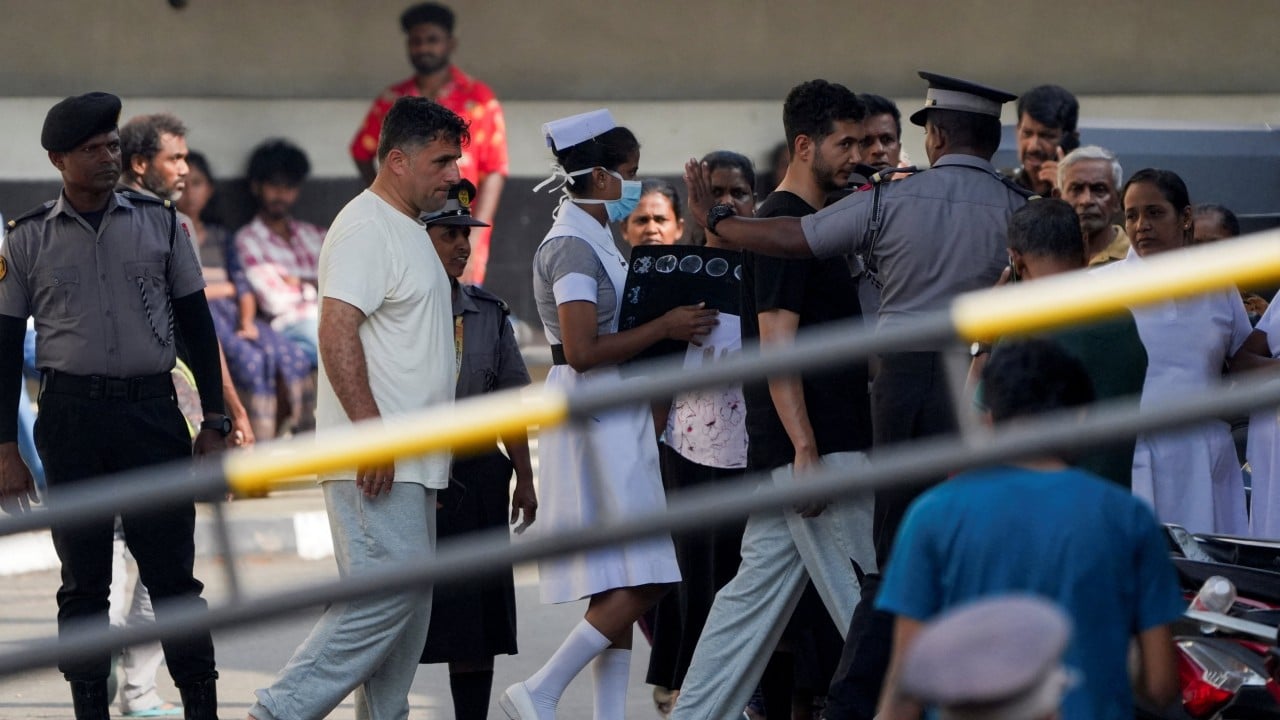
On March 4, the USS Charlotte fired a torpedo at the Iranian frigate IRIS Dena as it sailed 40 nautical miles off Sri Lanka's southern coast. Defense Secretary Pete Hegseth celebrated the strike as a military success. The Iranian vessel, returning from a routine naval review in India with minimal ammunition aboard, sank within sight of Galle's colonial ramparts—a city known more for literary festivals than geopolitics.
The attack accomplished something Washington likely never intended: it shifted Sri Lankan public sentiment from neutrality toward sympathy for Iran. This matters because Sri Lanka had occupied a rare position of insulation from global conflicts despite emerging from civil war and economic crisis. The island nation's goodwill toward Tehran runs deep—Iran quietly supported Sri Lanka against the Tamil Tigers and later supplied oil for tea during the economic collapse when even the U.S. had granted sanctions waivers.
Three days after the sinking, oil patches appeared along Hikkaduwa's pristine coastline. Mongabay reports fishermen observed thick slicks stretching 18 kilometers, with damaged oil barrels washing ashore near one of Sri Lanka's premier tourist destinations. Spanish satellite monitoring firm Orbital detected the spill on March 5, saying oil continues leaking from the IRIS Dena wreck. Sri Lankan authorities cleared 90% of the surface oil but await lab results to confirm the source—a curious hesitance given the timing.
The environmental implications extend beyond tourism. Marine biologist Muditha Katuwawala warns the spill coincides with peak ichthyoplankton season and sea turtle nesting, potentially devastating fish larvae and shallow-water corals already depleted by 50%. Fishermen report nets fouled with oil and fish avoiding contaminated waters, threatening livelihoods in communities that depend on daily catches.
For India, the strike creates an impossible diplomatic position. The Iranian vessel had just participated in New Delhi's International Fleet Review, meeting India's president before sailing into an American torpedo. Prime Minister Modi faces the classic bind of middle powers: privately concerned about escalating conflict but unable to criticize Washington without risking economic retaliation through tariffs or sanctions pressure.
The missing element in coverage is legal accountability. If laboratory analysis confirms the oil originated from the IRIS Dena, who pays for cleanup and compensation? Environmental lawyer Ravindranath Dabare suggests those who carried out the attack bear responsibility under international maritime law, but the complexities of attacking a military vessel in international waters create legal ambiguities that diplomatic channels must resolve.
What began as a surgical strike on an Iranian frigate has metastasized into environmental contamination, economic disruption, and geopolitical complications spanning from Colombo to New Delhi. The torpedo that sank the IRIS Dena demonstrated how easily America's expanding war with Iran transforms neutral shores into unwilling participants in conflicts they never chose to join.