
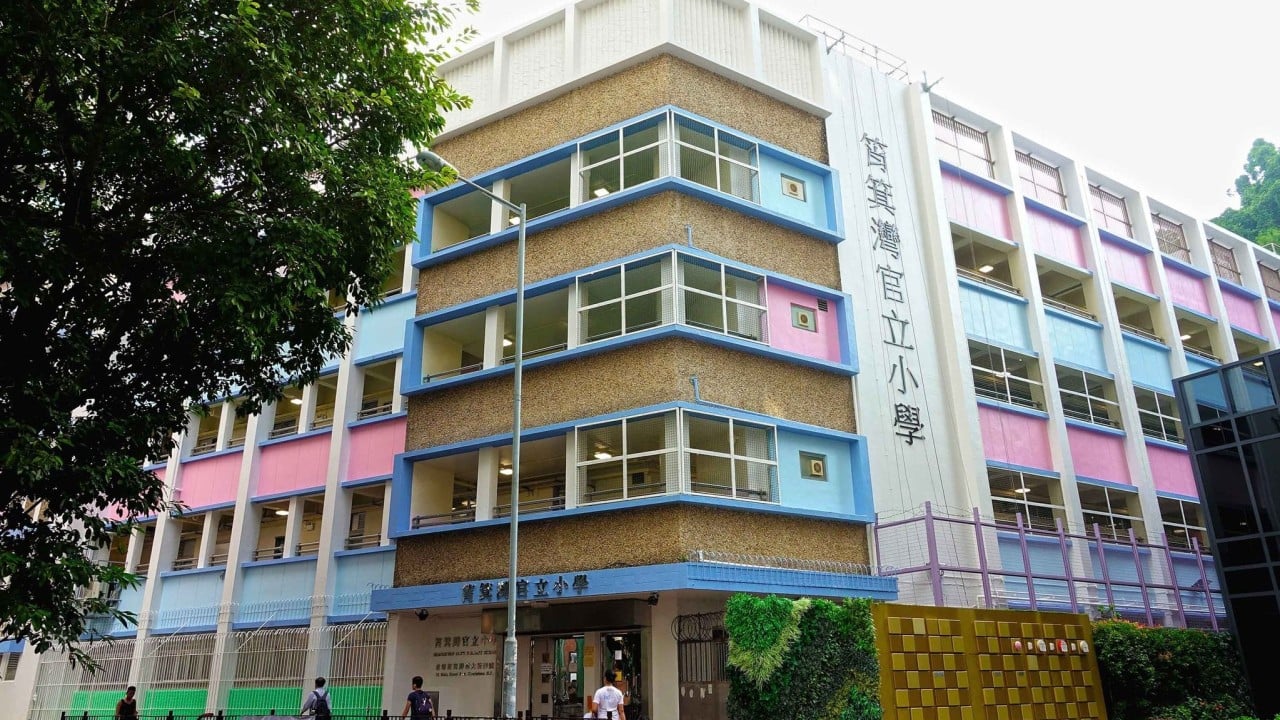
Closing 15 Hong Kong public primary schools due to low enrollment is not a bureaucratic technicality—it is the opening salvo in a broader crisis driven by declining birth rates. Secretary for Education Christine Choi’s blunt assertion that “there is no way around the current situation” underscores a stark reality: Hong Kong’s education system is collapsing under the weight of a shrinking cohort of students, a trend mirrored globally from Japan to Italy. The 4,000 drop in Primary One registrations between 2025-26 and 2026-27 is a canary in the coal mine.
This move, however, masks deeper malaise. By prioritizing efficiency over stability—warning of “instability for the entire education system” if schools fail to “break through old ways”—Choi reveals a tension in governance: closing schools today shifts costs to tomorrow. Parents of 100 affected children will receive “school place arrangements,” but what of teachers displaced from shuttered institutions? What of neighborhoods where schools anchor community life? The Fresh Fish Traders’ School in Tai Kok Tsui, for example, is not just a building but a cultural touchstone.
Cross-source analysis deepens the unease. While the South China Morning Post focuses on administrative solutions, the U.S. Government Accountability Office’s report on turning around failing schools (GAO-26-107849) highlights systemic underfunding and chronic resource imbalances—problems Hong Kong’s centralized response may exacerbate. Meanwhile, Qatar’s political pressure on U.S. universities illustrates how education systems elsewhere are battlegrounds for external influence, a risk Hong Kong’s reforms could inadvertently invite by centralizing control.
The tragedy lies in the invisibility of loss. A school’s closure is a death knell for community ties, yet metrics like “sustainable development” erase this human cost. Choi’s rhetoric about “preventing future problems” for parents is disingenuous; the current crisis is already their problem, as seen in Shau Kei Wan Government Primary School, where families face disruption twice over. The government’s “survival plans” for struggling schools—merging, self-funding, or eventual closure—are stopgaps, not solutions.
Coverage misses a critical question: Why were enrollment projections not updated to avert this crisis? Hong Kong’s fertility rate of 0.78 children per woman (2025 data) suggests a demographic freefall years in the making. Yet education policy remains reactive, not strategic. Stakeholders absent from the conversation include private educators, who see growing demand but lack government collaboration, and parents grappling with logistical chaos as school zones dissolve.
History offers no comfort. Japan’s school closures since 2008—over 10,000 since 2000—led to depopulated rural areas with crumbling infrastructure. Hong Kong risks repeating this model, where top-down efficiency sacrifices social cohesion. The path forward requires not just school mergers but a reimagining of education from preschool to tertiary levels.