
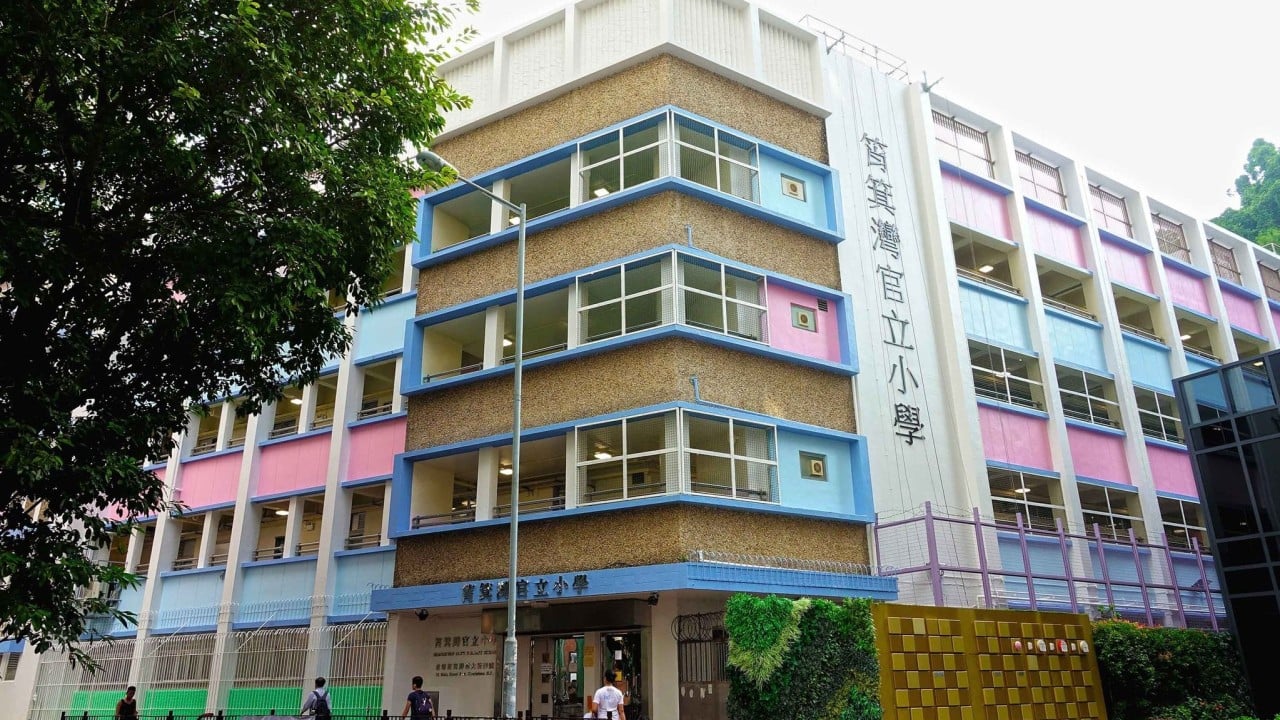
The Hong Kong government’s decision to phase out 15 under-enrolled public primary schools by 2027 has been framed as a necessary “soft landing” for a collapsing education system. Secretary for Education Christine Choi Yuk-lin asserts that closures will prevent “instability” in the sector, citing a 4,000-student drop in Primary One admissions between 2025-26 and 2026-27. But the scale of the problem runs deeper: the 15 affected schools, including former Chief Executive John Lee Ka-chiu’s alma mater, represent the visible tip of a long-wave demographic and socioeconomic crisis.
Hong Kong’s declining birthrate—projected to fall to 8.1 per 1,000 in 2025, among the lowest globally—has created a fiscal and logistical nightmare for schools reliant on government subsidies. The Education Bureau’s “mitigation measures” (e.g., mergers, self-financing) have failed to reverse freefalling roll numbers, forcing officials to accept “no way around the current situation.” Yet the decision masks broader systemic flaws: a rigid zoning system that ties school access to property values, bureaucratic resistance to innovative models like charter-like flex schools, and a lack of transparency about how closures will disrupt community networks.
Cross-source comparisons reveal the narrowness of Hong Kong’s crisis. While U.S. schools face enrollment drops in rural and industrial regions (as noted in a congressional GAO report), their challenges stem from poverty, not hyper-urbanization. In contrast, Qatar’s stranglehold over Western satellite campuses—evident in emails showing pressure to self-censor after the 2023 Hamas attack—demonstrates how external powers can manipulate educational systems for geopolitical leverage. These cases highlight divergent forms of institutional failure: Hong Kong’s is demographic and structural; Qatar’s is authoritarian; the U.S. system’s is managerial.
Choi’s approach prioritizes administrative efficiency over equitable transitions. By closing schools outright, the government risks deepening social fragmentation, particularly in marginalized districts like Sham Shui Po, where Five Districts Business Welfare Association School will vanish unless merger proposals are fast-tracked. Parents face abrupt relocation, straining already overburdened public transport hubs and displacing staff who lack skills for urban jobs. The lack of vocational retraining programs for teachers underscores a short-sighted technocratic mindset.
Absent is a comprehensive audit of enrollment trends, property records, or birth registries to predict future closures. Why have 4,000 fewer students suddenly tip the balance? How many families have been pushed into under-enrolled catchments by rising mainland immigration policies? The Education Bureau refuses to publish data on projected population changes, leaving communities in the dark.
Watch for the April 2026 deadline for affected schools’ survival plans. If the government fails to secure approvals by then, legal challenges from families could erupt, mimicking the 2022 controversy over “selective schooling.” Additionally, track the 2024 Legislative Council elections—pro-Beijing parties may face backlash over education cuts in working-class constituencies.