
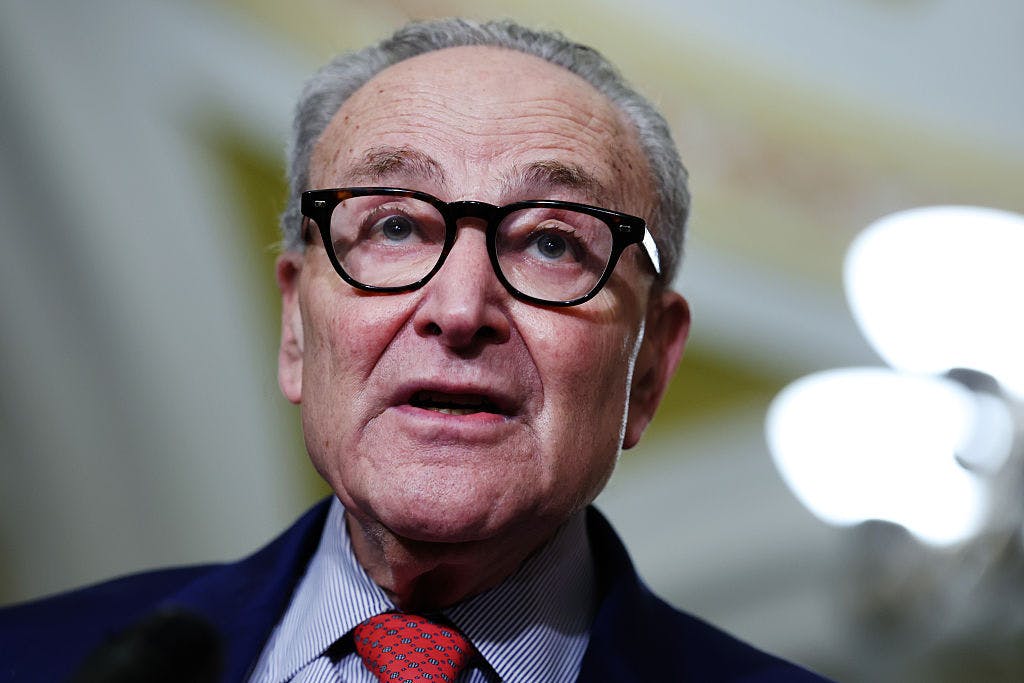
Congressional Democrats delivered an 11th-hour counteroffer to end the 18-day-old partial shutdown of the Department of Homeland Security on March 17, 2026, but the bid lacks specifics and risks prolonging a crisis that has already cost 300 Transportation Security Administration agents their jobs. The White House, led by a Trump administration unyielding on immigration enforcement, responded with a public relations campaign emphasizing "reasonable" concessions—including $100 million for body cameras and limits on ICE operations—which Senate Republicans label insufficient to address Democratic demands for judicial warrants and transparent immigration arrests. The stalemate, rooted in Senate Minority Leader Chuck Schumer’s vow to block funding for non-DHS agencies like TSA and FEMA unless immigration reforms are secured, lays bare the hollowing of governance in a polarized era.
This standoff is not a singular policy clash but the latest in a series of fiscal battles exploiting the U.S. government’s broken budgeting process. The so-called “One Big Beautiful Bill Act” of 2025, which secured long-term funding for ICE and CBP, has left DHS’s domestic security sectors—now 40% understaffed—vulnerable to shutdowns over unrelated disputes. The current crisis mirrors the 2013 Obama-era shutdown but with a narrower scope and even higher stakes for federal labor. Democrats argue that Republicans are gaming the system to force concessions on ICE, while Republicans counter that Schumer’s refusal to fund TSA payrolls is a “blatant hostage-taking” of non-controversial agencies.
Cross-source reporting reveals stark ideological divides in framing the conflict. The *Daily Wire*, leaning heavily on anonymous White House sources, portrays Democrats as radicalizing ICE by demanding "judicial warrants" for routine immigration checks—a framing ignored by *The Hill*, which highlights the grassroots impact: José Andrés’s World Central Kitchen, for instance, is now providing free meals to starving TSA agents. Meanwhile, unrelated stories of XRP’s market cap surge and UN warnings about energy price shocks reveal a media landscape fragmented across issue silos, leaving little synthesis on how systemic government dysfunction reverberates through everyday life.
The deeper analysis lies in the incentive structures at play. For Trump’s administration, the DHS shutdown serves as a pressure valve for his base, which demands strict immigration enforcement, while allowing the GOP to deflect blame from the actual damage to domestic agencies. For Democrats, the crisis is a strategic gambit to force ICE reform, even at the cost of TSA’s operational collapse—a risk they calculate might backfire public opinion. What is missing is concrete evidence of compromise: neither side has proposed interim funding for critical functions like Coast Guard search-and-rescue or FEMA pre-disaster mitigation. The most urgent stakeholders—TSA workers now reporting to work without paychecks and families at risk of delayed emergency response—remain marginal to the political theater.
The trajectory hinges on next steps before Secretary Kristi Noem’s March 31 departure. If Senate Republicans, led by John Thune, block further stopgap bills, the standoff could escalate to a full government shutdown, triggering defaults on federal contracts and exacerbating already-rising inflation. A more likely outcome is a last-minute deal, but one that leaves unresolved the deeper conflict between immigration enforcement and domestic security priorities.