
UN Secretary-General António Guterres arrived in Beirut Saturday insisting "diplomatic avenues are available" to end the week-old war between Israel and Hezbollah, even as Israeli strikes killed 12 medical workers overnight and brought the total paramedic death toll to 26. The juxtaposition reveals the gulf between diplomatic optimism and battlefield reality.
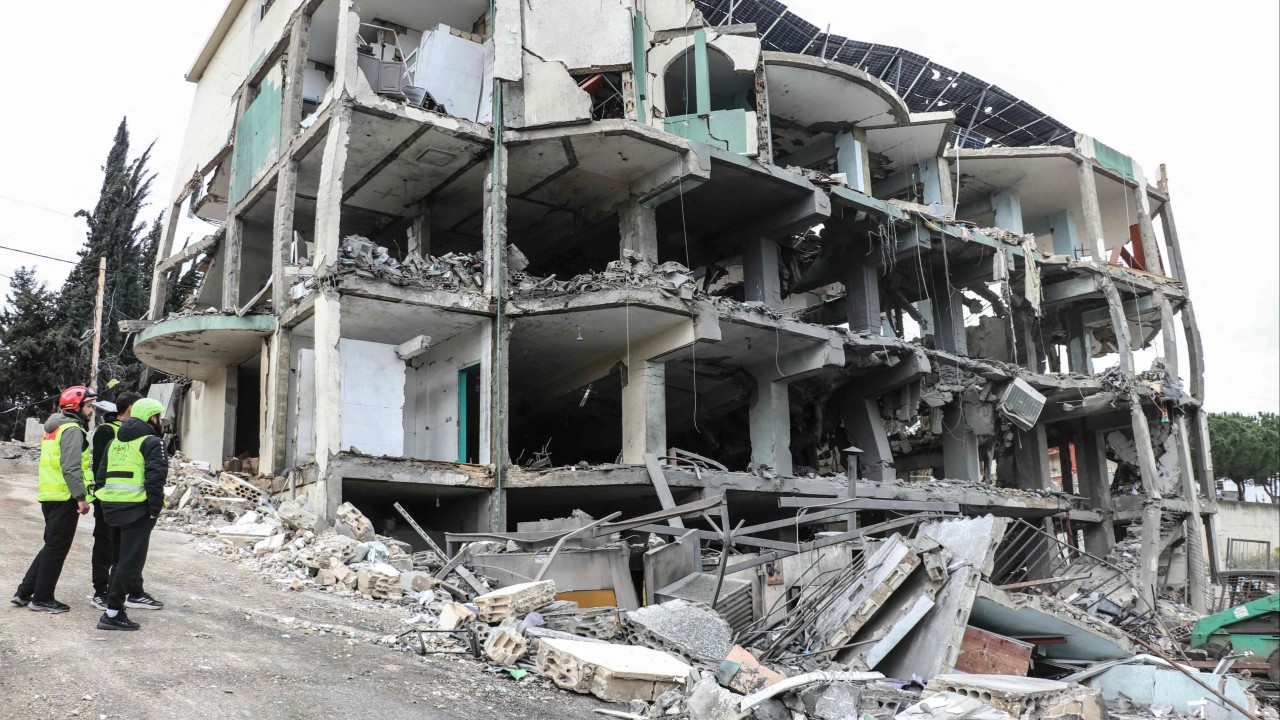
Lebanon was dragged into this latest Middle East conflagration after Hezbollah attacked Israel in response to US-Israeli strikes that killed Iranian Supreme Leader Ayatollah Ali Khamenei. What began as retaliation has escalated into systematic destruction of Lebanese civilian infrastructure, with Israeli evacuation orders now covering 14 percent of Lebanese territory and displacing 816,000 people.
The targeting of medical personnel follows a disturbing pattern. Lebanon's health ministry accuses Israel of "repeatedly targeting ambulance crews while they were performing rescue duties," while Israel claims Hezbollah uses ambulances militarily. Three Ghanaian UN peacekeepers were wounded earlier this month. Guterres called attacks on peacekeepers "completely unacceptable" and said they "may constitute war crimes."
Guterres launched a $325 million humanitarian appeal during his "solidarity" visit, but his diplomatic rhetoric rings hollow against the tactical reality. Israeli evacuation orders force vulnerable populations from areas that cannot guarantee civilian safety, which Guterres acknowledged "inevitably becomes in violation of international humanitarian law." Yet he still insisted diplomacy could succeed where military force has failed.
The UN chief's strategy hinges on empowering the Lebanese government, which committed last year to disarming Hezbollah. But that government lacks the capability to enforce such a commitment while under bombardment. Guterres urged the international community to "step up your engagement, empower the Lebanese state and support the Lebanese Armed Forces," but offered no mechanism to protect those forces from becoming targets themselves.
The timing exposes the fundamental weakness of multilateral diplomacy. Guterres speaks of dialogue while medical workers die in their clinics and pregnant women give birth on roadsides. His special coordinator engages "with all actors around the clock," but those actors continue shooting. The diplomatic process assumes good faith from parties whose immediate interests lie in escalation, not de-escalation.
What happens next depends less on UN resolutions than on military calculations in Tel Aviv and Tehran. Hezbollah leader Naim Qassem has declared readiness for "a long confrontation," while Israel shows no signs of limiting its targeting criteria. The $325 million humanitarian appeal may provide temporary relief, but it cannot address the strategic drivers pushing both sides toward wider conflict.