
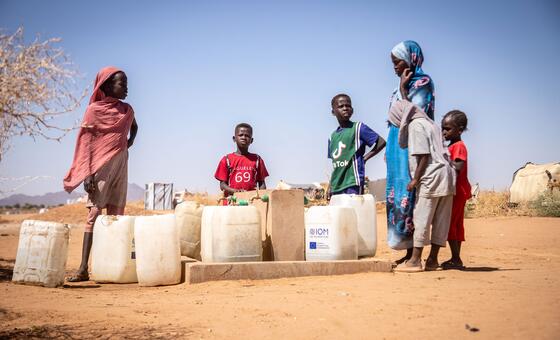
The Security Council convenes on 16 October 2026 as drone strikes annihilate civilians from El Obeid to the Blue Nile, while famine looms over Darfur and Kordofan. The United Nations labels Sudan’s crisis the world’s largest hunger and displacement emergency and calls for an immediate ceasefire, unfettered aid access, and an end to weapons flows.
The gravity extends far beyond a regional tragedy. Drone warfare signals a new, export‑oriented arms market that can be supplied covertly, while a spreading famine threatens food security across the Sahel. The conflict threatens to drag neighboring economies into instability and to strain global humanitarian budgets already stretched by crises in Gaza and Ukraine.
Only UN News provides the factual scaffold for this episode; its centrist, high‑factuality tone focuses on diplomatic pressure. By contrast, Sputnik’s brief note on a Russia‑Gulf dialogue and Mother Jones’ story about a Tennessee data‑center ban offer no insight into Sudan, underscoring a media vacuum on the ground. The UN’s emphasis on ceasefire contrasts with the silence of other outlets, which either ignore or sideline the human toll.
The underlying incentive structure favours arms dealers and proxy actors who profit from drone sales, while donor fatigue erodes the appetite for sustained aid. Without concrete enforcement mechanisms, UN resolutions risk becoming symbolic gestures, allowing the conflict’s blood‑shed to continue and the famine to deepen.
What remains opaque are the precise casualty figures, the identities of the drone suppliers, and the actual volume of aid reaching those in need. Sudanese voices are absent, as are detailed supply‑chain analyses that could illuminate how foreign technology infiltrates the battlefield. Data on funding streams for rebel groups and for humanitarian operations is similarly missing.
The next weeks will test the UN’s diplomatic leverage. A resolution is expected to be tabled, urging all parties to halt hostilities and open corridors for food deliveries. Simultaneously, the African Union plans a summit in Addis Ababa on 2 November 2026, where regional leaders may press for targeted sanctions on drone exporters. Monitoring the flow of weapons and the activation of UN‑led aid corridors will be essential to gauge whether rhetoric translates into action.