
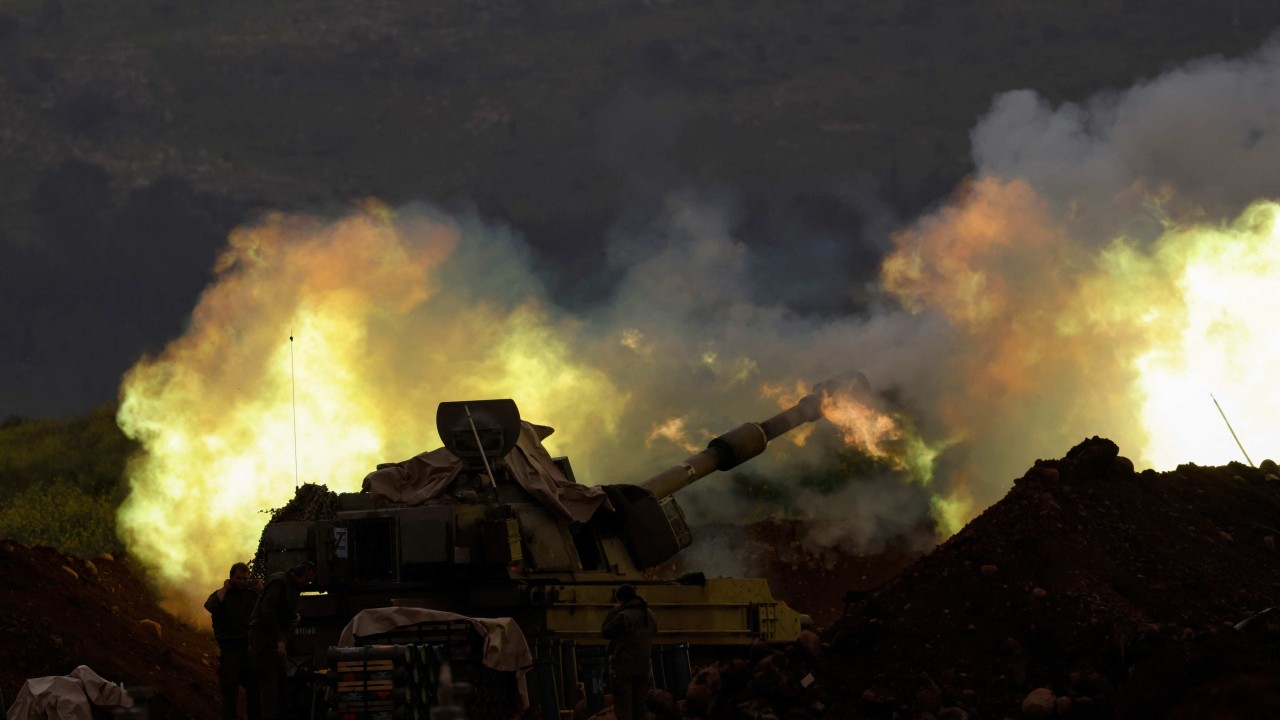
Turkish Foreign Minister Hakan Fidan accused Israel of pursuing "a new genocide" in Lebanon on Saturday, as Israeli strikes killed 826 people including 106 children since March 2. The allegation follows twelve medical staff dying in an overnight Israeli strike on a southern Lebanon clinic, part of what Lebanon's health ministry calls deliberate targeting of paramedics — 26 killed since the fighting began.
The Turkish warning reveals how rapidly the Middle East conflict has metastasized beyond Gaza. Lebanon entered the war March 2 when Hezbollah retaliated for the killing of Iranian Supreme Leader Ali Khamenei in US-Israeli strikes. What began as Israeli-Hamas combat in Gaza has now engulfed Iran's supreme leader, drawn in Turkey's diplomatic machinery, and threatens to pull Lebanon's 5 million civilians into a multi-front regional war.
Three sources agree on the basic timeline and casualty figures, but diverge on interpretation. The South China Morning Post frames Turkey's statement as diplomatic concern. Middle East Eye emphasizes the genocide allegation more prominently. France 24 focuses on Israeli military actions, including threats to strike ambulances that the IDF claims Hezbollah uses unlawfully — though Israel provides no evidence for this assertion.
The medical targeting pattern suggests either systematic attacks on civilian infrastructure or catastrophic intelligence failures. Israel warns it may strike ambulances and medical facilities, claiming Hezbollah military use. Yet the specific targeting of a clinic killing twelve medics, combined with 26 paramedic deaths in twelve days, indicates either deliberate policy or reckless disregard for protected medical personnel under international law.
Missing from this coverage: any Israeli government response to Turkey's genocide accusation, casualty verification from independent sources, or detailed examination of the alleged Hezbollah use of medical facilities. The sources report Israeli claims about ambulances and clinics but offer no corroborating evidence or alternative explanations for the medical worker death toll.
Two competing diplomatic tracks now emerge. UN Secretary-General Antonio Guterres insists "diplomatic channels remain open" and visited Beirut Saturday calling for immediate de-escalation. Meanwhile, Haaretz reports Israel and Lebanon plan direct talks in Paris or Cyprus within days, with Jared Kushner involvement and focus on disarming Hezbollah. The question becomes whether diplomacy moves faster than military escalation — and whether Turkey's genocide rhetoric helps or hinders any negotiated solution.